
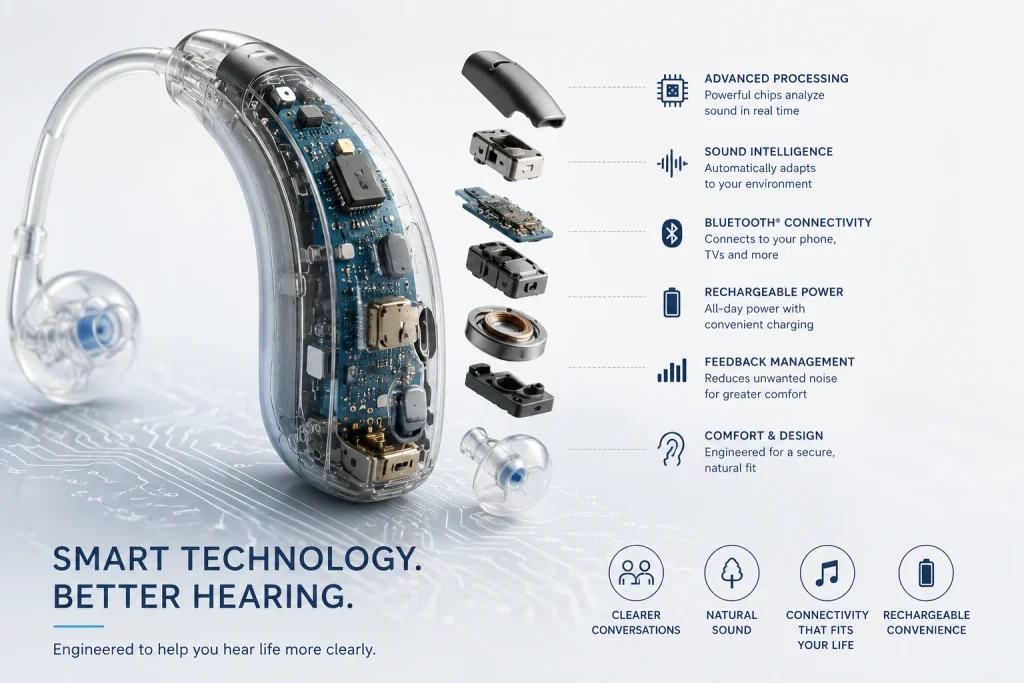
Discover How Today’s Hearing Aids Have Evolved
If you’re picturing the hearing aids of years past, you may be surprised by how much hearing technology has advanced. Today’s hearing aids are smaller, smarter, and designed to support clearer communication in a wide variety of everyday listening environments.
Many modern devices include rechargeable batteries, Bluetooth connectivity, automatic adjustments, and personalized programming based on your unique hearing needs. Rather than simply making sounds louder, today’s hearing aids are designed to help you continue enjoying conversations with family and friends, participate more confidently in everyday activities, and stay connected to the people and moments that matter most.
Whether you’re exploring hearing aids for the first time or considering replacing older technology, understanding today’s innovations is an important first step.
How Have Hearing Aids Changed?
If you haven’t explored hearing aids in several years, you may be surprised by how much they’ve evolved. Advances in digital technology have transformed hearing aids from simple sound amplifiers into sophisticated devices designed to support clearer communication in a wide variety of everyday listening situations.
Many modern hearing aids can automatically adapt as your surroundings change, helping you move from quiet conversations to busier environments without constantly adjusting settings. Combined with personalized programming based on your hearing assessment, today’s technology is designed to provide a more comfortable and natural listening experience.
Features Available in Many Modern Hearing Aids
🔋 Rechargeable Convenience
Many modern hearing aids recharge overnight, eliminating the need to regularly replace disposable batteries. Simply place them in their charging case at the end of the day, and they’re ready for the next morning.
📱 Bluetooth Connectivity
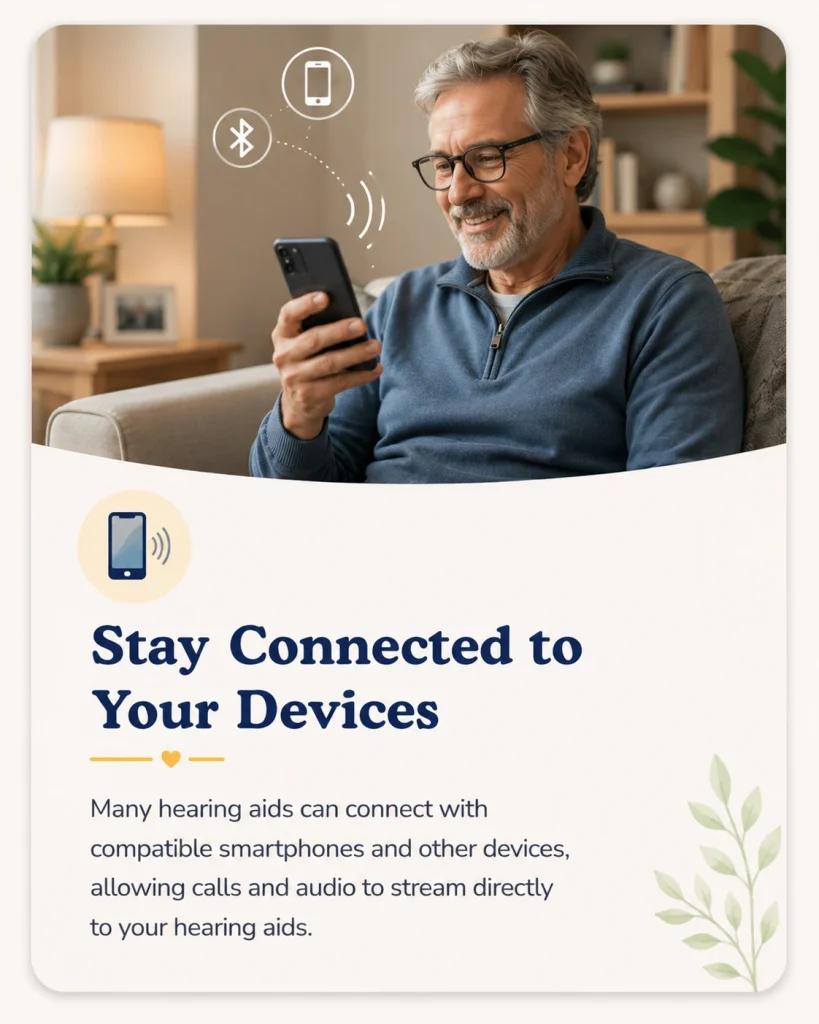
Many hearing aids can connect directly to compatible smartphones, televisions, tablets, and other devices. This allows phone calls, music, podcasts, and other audio to stream directly to your hearing aids for a more convenient listening experience.
🎯 Automatic Listening Adjustments
Modern hearing aids can automatically detect changes in your listening environment and adjust settings accordingly. Whether you’re at home, in a restaurant, or outdoors, the technology is designed to help optimize your listening experience.
💬 Speech Enhancement
Many hearing aids are designed to help improve speech clarity in a variety of listening environments, making conversations easier to follow for many wearers.
🎛 Personalized Programming
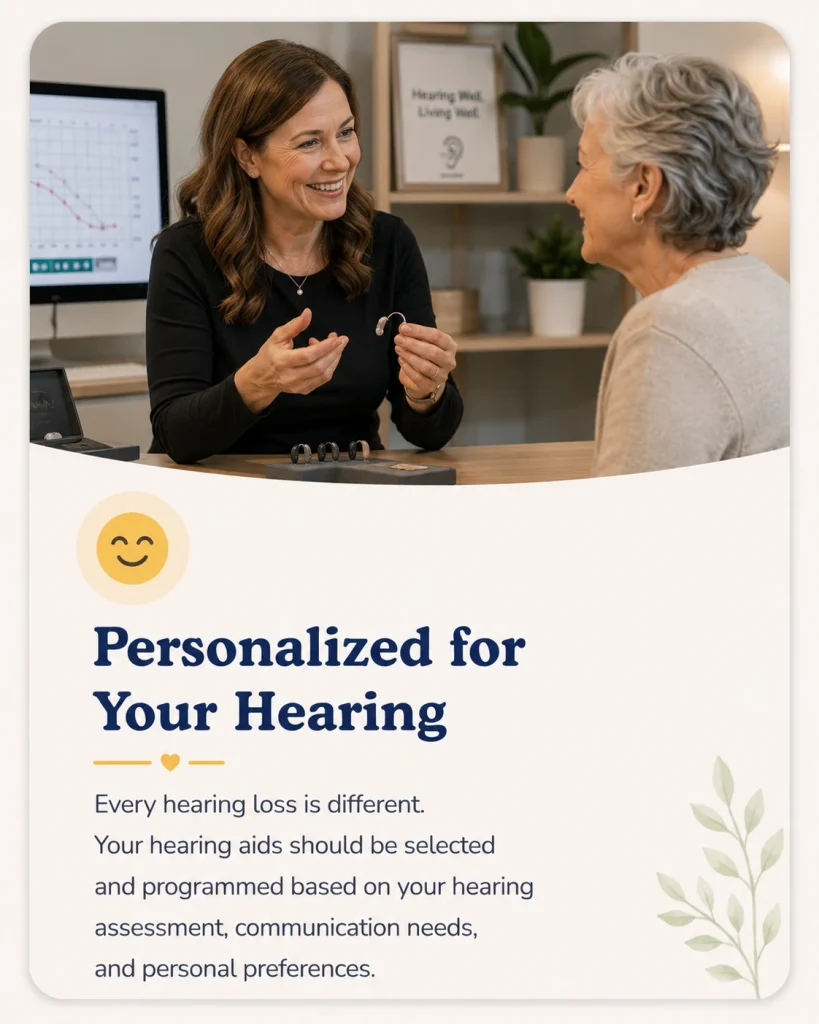
No two hearing losses are exactly alike. Hearing aids are programmed based on your individual hearing assessment, helping ensure your technology is tailored to your hearing needs, lifestyle, and communication goals.
👂 Discreet Styles
Today’s hearing aids are available in a wide range of styles and sizes. Many are designed to be comfortable, discreet, and suitable for different levels of hearing loss.
Technology Designed Around the Way You Live
The best hearing aid is the one that supports your lifestyle. Modern hearing technology isn’t just about advanced features—it’s about helping you communicate more comfortably in the situations that matter most to you.
Whether you’re enjoying time with family, meeting friends for coffee, talking on the phone, or watching television, today’s hearing aids are designed to support your everyday listening needs.




Why Professional Hearing Care Matters
Modern hearing aids are remarkable pieces of technology, but choosing the right hearing aid is only part of the journey. Achieving the best possible outcome also depends on a comprehensive hearing assessment, careful fitting and programming, ongoing adjustments, and continued support as your hearing needs change.
At Salus Hearing & Tinnitus Centre, we believe hearing care should be personalized. Every recommendation is based on your hearing, lifestyle, communication goals, and preferences not simply on the latest technology.
✔ Comprehensive Hearing Assessment
✔ Precise Programming and Verification
✔ Ongoing Follow-Up and Support
✔ Personalized Hearing Aid Recommendations
✔ Education and Guidance
✔ Independent Audiologist-Led Care
Frequently Asked Questions About Modern Hearing Aids
Whether you’re just beginning to explore hearing aids or comparing your options, these are some of the questions we hear most often.
1. How do I know if I need hearing aids?
If you’re frequently asking people to repeat themselves, turning the television up louder than others prefer, struggling to hear in restaurants, or finding conversations more tiring than they used to be, it may be time to have your hearing assessed. A comprehensive hearing assessment can determine whether hearing loss is present and discuss the options that may be appropriate for your needs.
2. Will hearing aids restore my hearing to normal?
Hearing aids cannot restore hearing to normal, but modern technology is designed to help many people hear speech more clearly and communicate more comfortably in a variety of listening situations. The benefits vary depending on the type and degree of hearing loss, the listening environment, and individual expectations.
3. Are today’s hearing aids noticeable?
Modern hearing aids are available in a wide range of sizes and styles. Many are designed to be discreet while still offering advanced features such as rechargeable batteries, Bluetooth connectivity, and automatic sound processing.
4. Can hearing aids connect to my smartphone?
Many modern hearing aids can connect with compatible smartphones, tablets, televisions, and other devices. Depending on the model and your device, you may be able to stream phone calls, music, and other audio directly to your hearing aids and adjust settings using a companion app.
5. How long does it take to get used to hearing aids?
Adjusting to hearing aids is a gradual process. Many people begin noticing benefits within the first few weeks, while becoming fully accustomed to hearing new sounds may take longer. Regular follow-up appointments and adjustments can help ensure your hearing aids continue to meet your communication needs.
6. How long do hearing aids typically last?
With proper care and regular maintenance, many hearing aids last between five and seven years. The lifespan can vary depending on the technology, how they’re cared for, and changes in your hearing over time.
7. What happens during a hearing assessment?
A hearing assessment involves more than simply checking whether you can hear sounds. It includes a discussion about your hearing concerns, appropriate hearing tests, an explanation of your results, and personalized recommendations based on your hearing, lifestyle, and communication goals.
8. Why is professional fitting important?
Even the most advanced hearing aids perform best when they’re carefully selected, programmed, and adjusted to your individual hearing needs. Professional fitting, verification, education, and ongoing follow-up are important parts of achieving the best possible outcome.
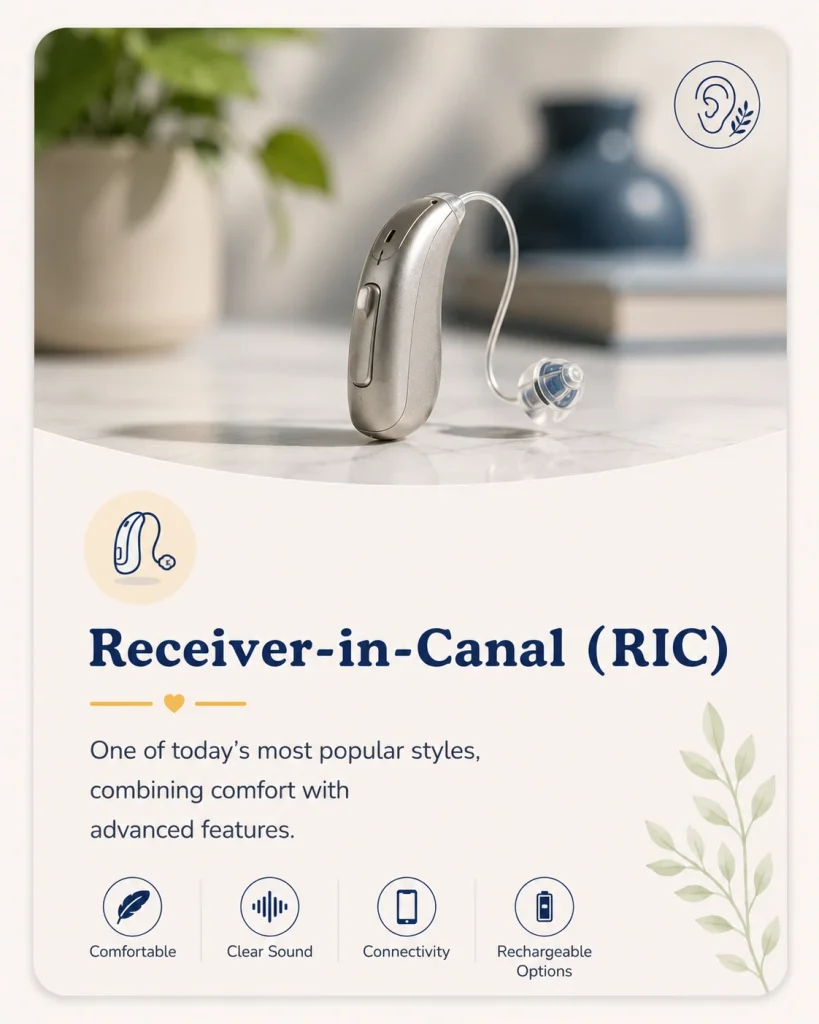
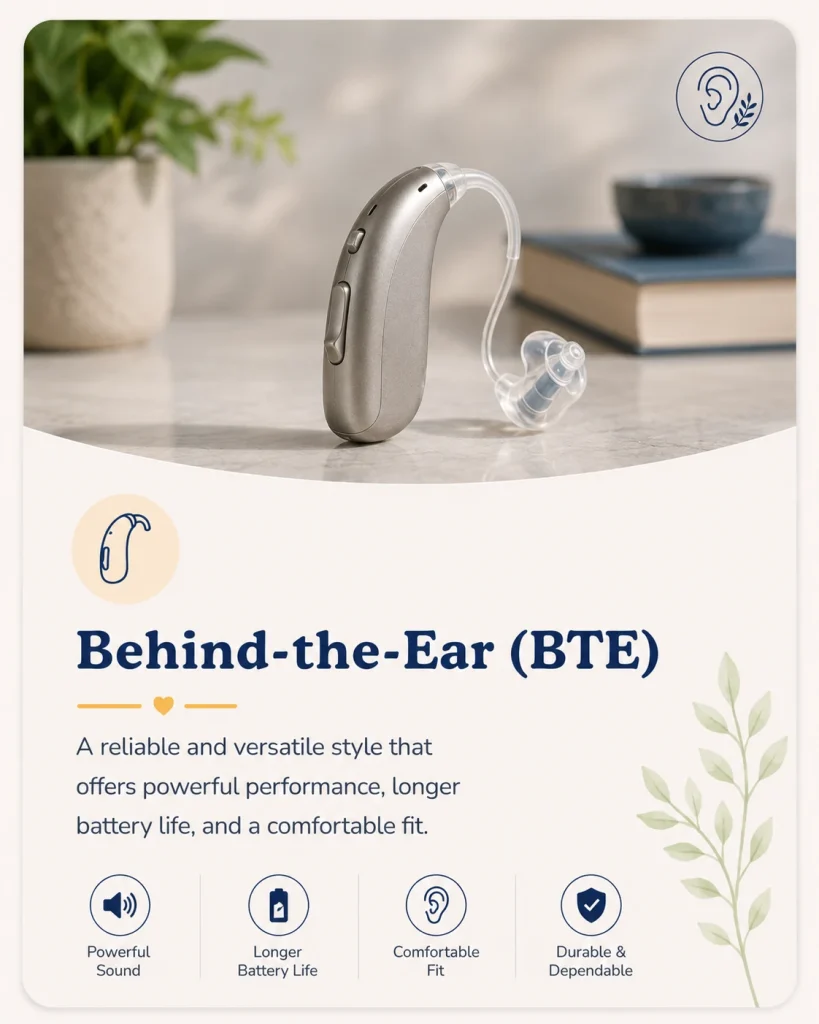
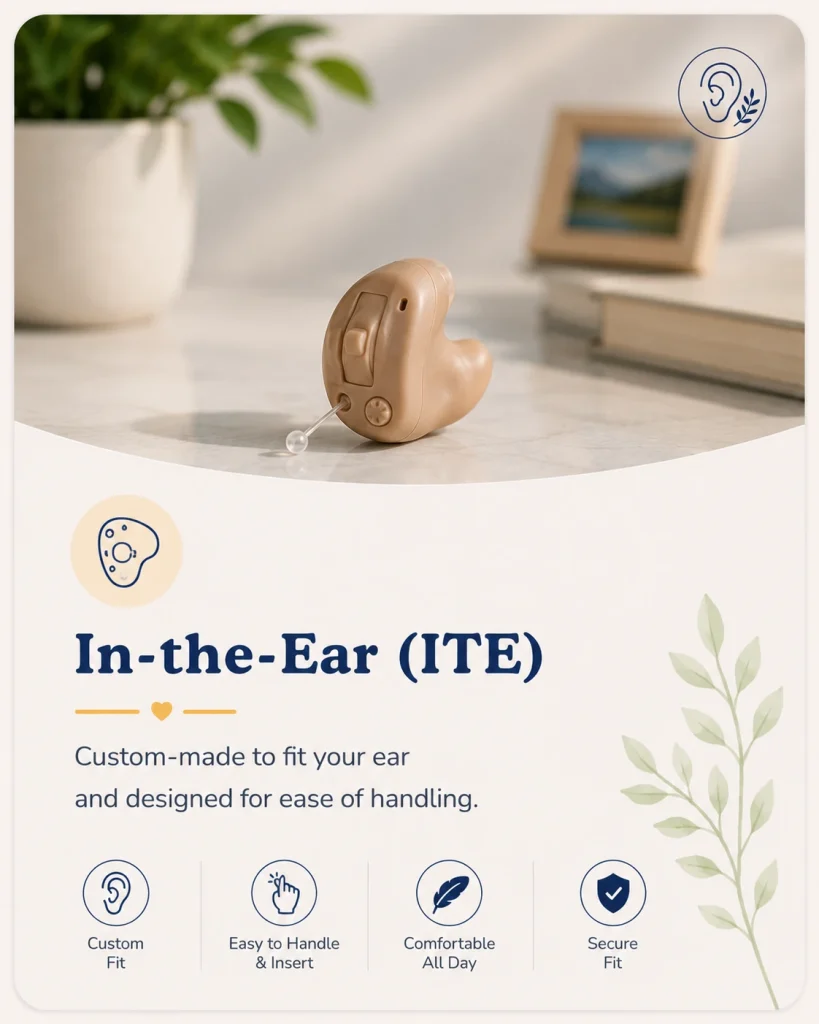
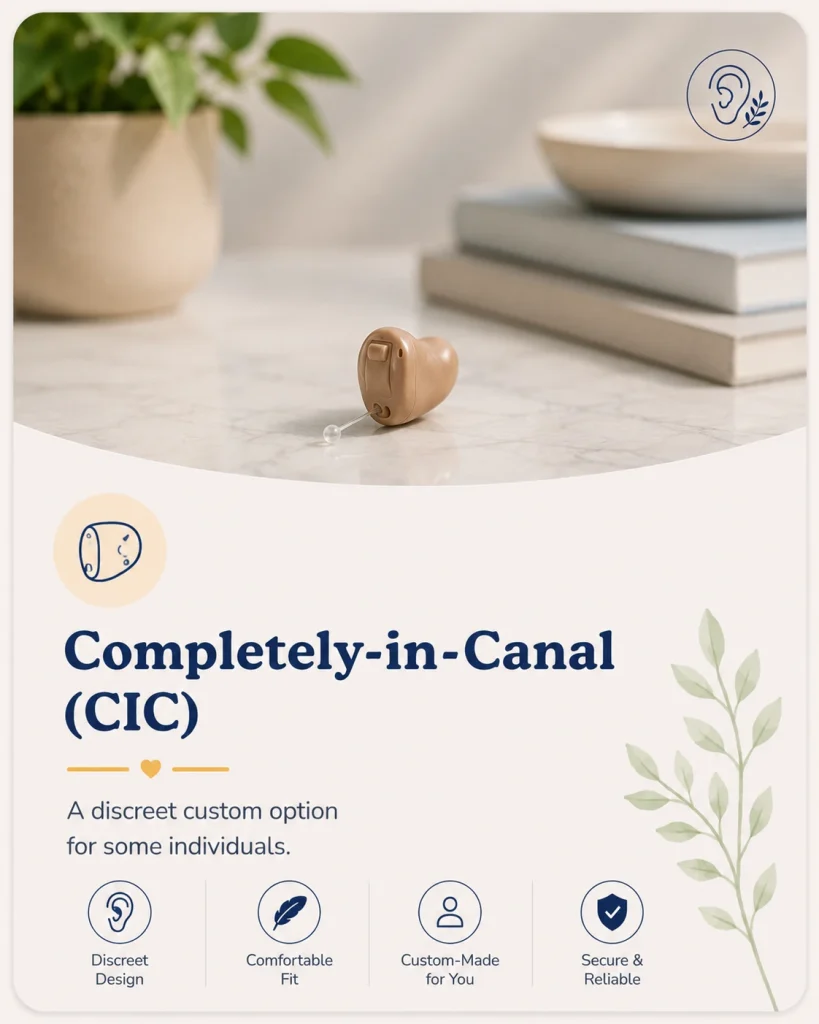
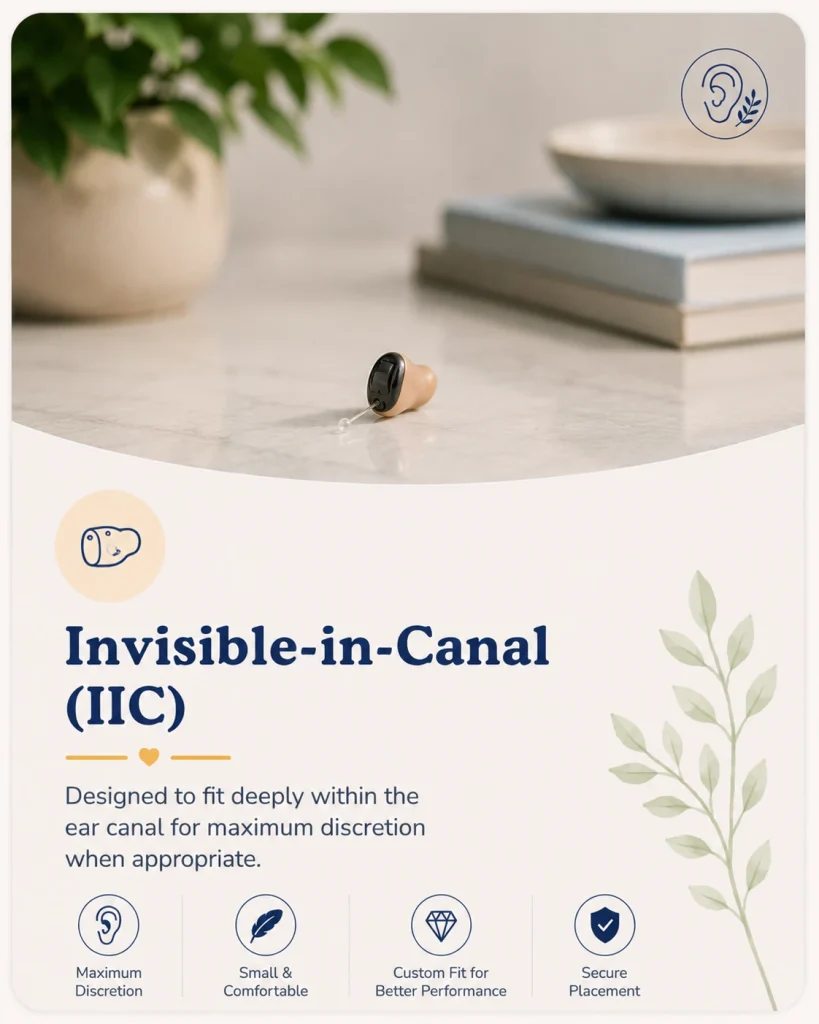
Hearing Aid Styles
Every person’s hearing loss, ear anatomy, and lifestyle are different. Modern hearing aids are available in a variety of styles, each offering different features and benefits. During your hearing assessment, we’ll help you determine which style may be most appropriate for your hearing needs and personal preferences.
Technology Is Only Part of the Solution
Modern hearing aids offer impressive features, but achieving the best possible outcome depends on more than the technology itself. A comprehensive hearing assessment, personalized programming, verification, education, and ongoing follow-up all play an important role in helping you hear your best.
At Salus Hearing & Tinnitus Centre, we believe hearing care should be tailored to the individual. We take the time to understand your hearing, lifestyle, communication goals, and preferences before making recommendations, ensuring your hearing care is as personal as it is professional.
Ready to Explore Your Hearing Options?
Whether you’re beginning to notice changes in your hearing or simply want to learn more about today’s hearing aid technology, we’re here to help.
A comprehensive hearing assessment is the best way to understand your hearing and discuss the options that may be appropriate for your individual needs.